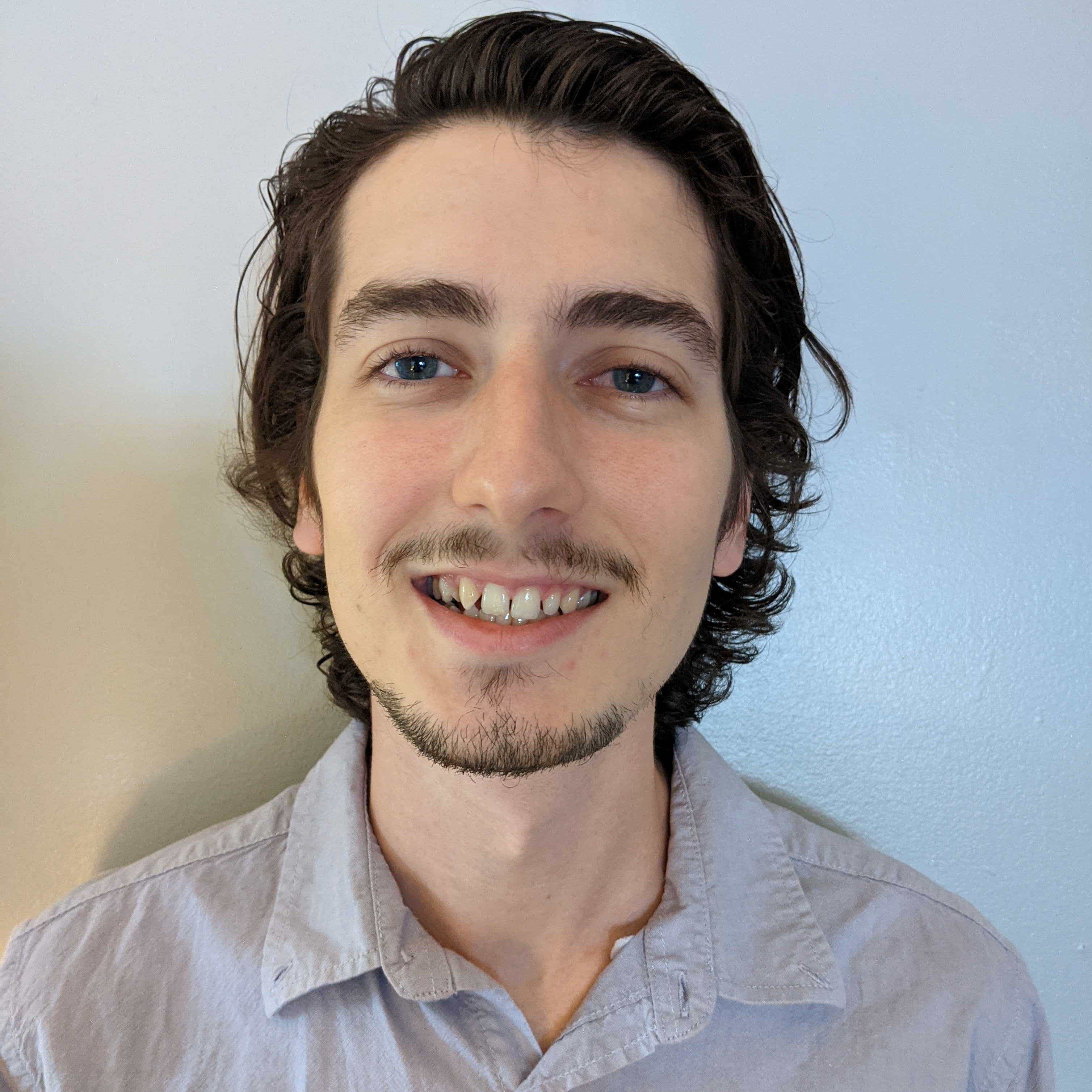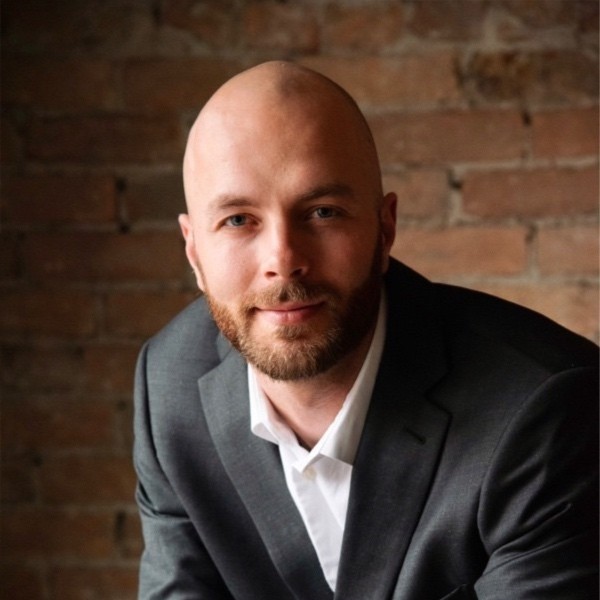
Kirk Geier
Scientific Associate
Centre for Addiction and Mental Health
Kirk joined the Brain, Body, and Perception Lab in March 2025, where he coordinates and manages multiple ongoing studies. He received his PhD in Cognitive Neuroscience from the University of Toronto at Baycrest Hospital, using neuroimaging to investigate how the thalamus supports memory and cognitive control. In the BBP Lab, his work focuses on how individuals with anorexia nervosa learn and update reward associations. Outside of the lab, Kirk enjoys spending time in nature and exploring the world in its many forms.
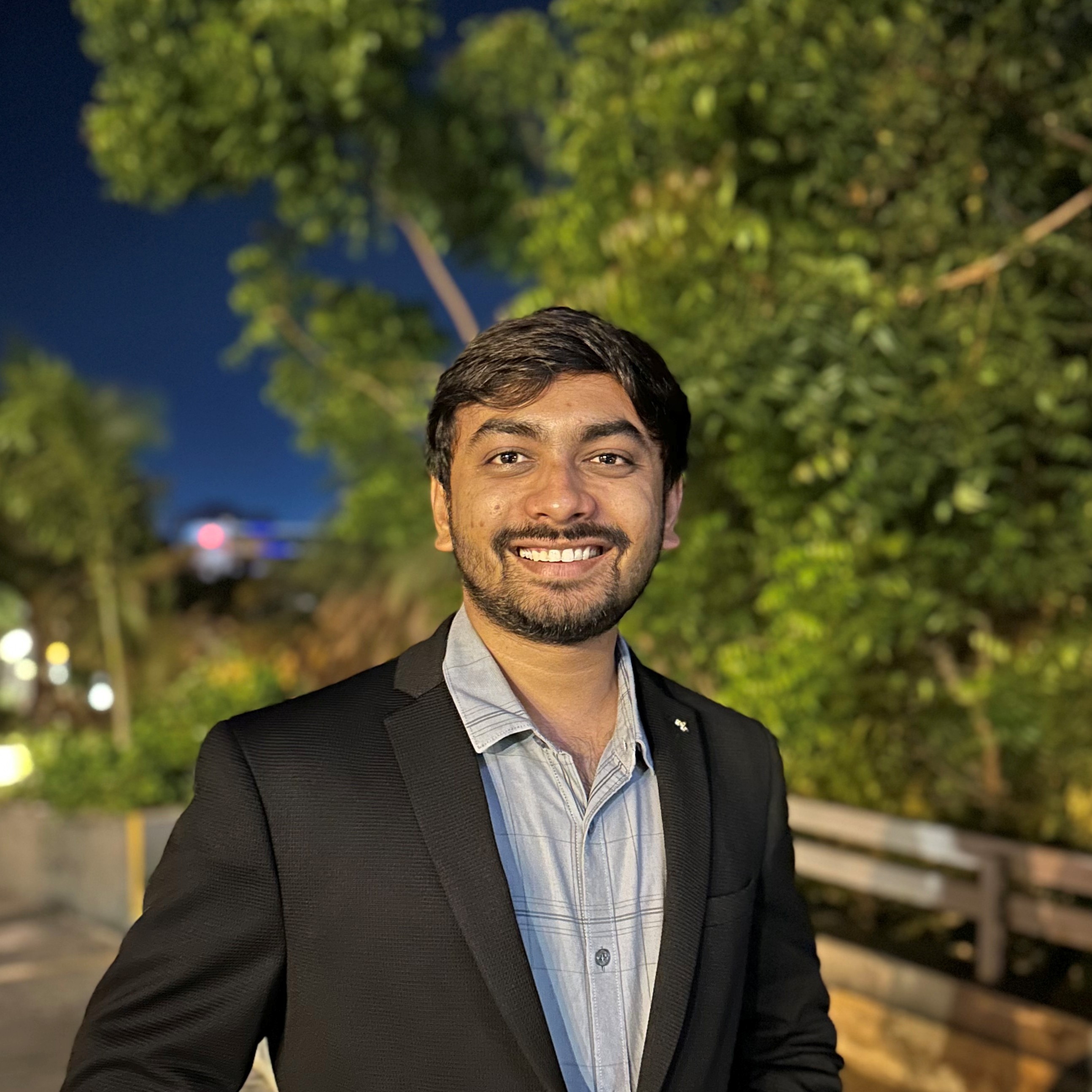
Anand Barot
Clinical Fellow
Sunnybrook Health Sciences Centre (SHSC)
Dr. Anand Barot is a psychiatrist with comprehensive clinical experience in the assessment and management of a wide range of psychiatric disorders. He completed his MBBS and MD in Psychiatry, developing strong expertise in evidence-based diagnosis and treatment. His academic interests include obsessive–compulsive disorder (OCD), anxiety disorders, and behavioral addictions. Dr. Barot is committed to integrating clinical care with research and education to advance understanding and improve outcomes in mental health.
Hariprasad (Hari) Ganapathy Vijayakumar
Clinical Fellow
Sunnybrook Health Sciences Centre (SHSC)
Dr Hari is a psychiatrist with diverse clinical experience across psychiatric disorders, with a particular focus on obsessive-compulsive disorder, mood disorders, and psychiatric rehabilitaion. During his tenure at the National Institute of Mental Health and Neurosciences, Bengaluru, India, he was involved in clinical research and academic activties, including his work as a Clinician Scientist with the NIH-funded Asian Bipolar Genetics Network. His research interests include emotional and perceptual processing in body dysmorphic disorder. Outside of work, he enjoys playing basketball, travelling, exploring food, writing, and spending time with friends.

Serenity (Fan) Shen
Research Analyst
Centre for Addiction and Mental Health
Serenity joined the Brain, Body, and Perception Lab as a Research Analyst in November 2025. She holds a Master's degree in Clinical Psychology (Neuropsychology concentration) from Columbia University, and a post-graduate diploma in Behavioral Science (accelerated) from George Brown College in Toronto. She spent a few years working in the Developmental Affective Neuroscience Lab at Columbia University, serving as the Level III MRI console operator responsible for MRI data acquisition for children and adolescents, and supporting data management tasks. Her research interests focus on brain-behavior relationships in neurodevelopment and clinical populations. In her spare time, she enjoys learning languages.
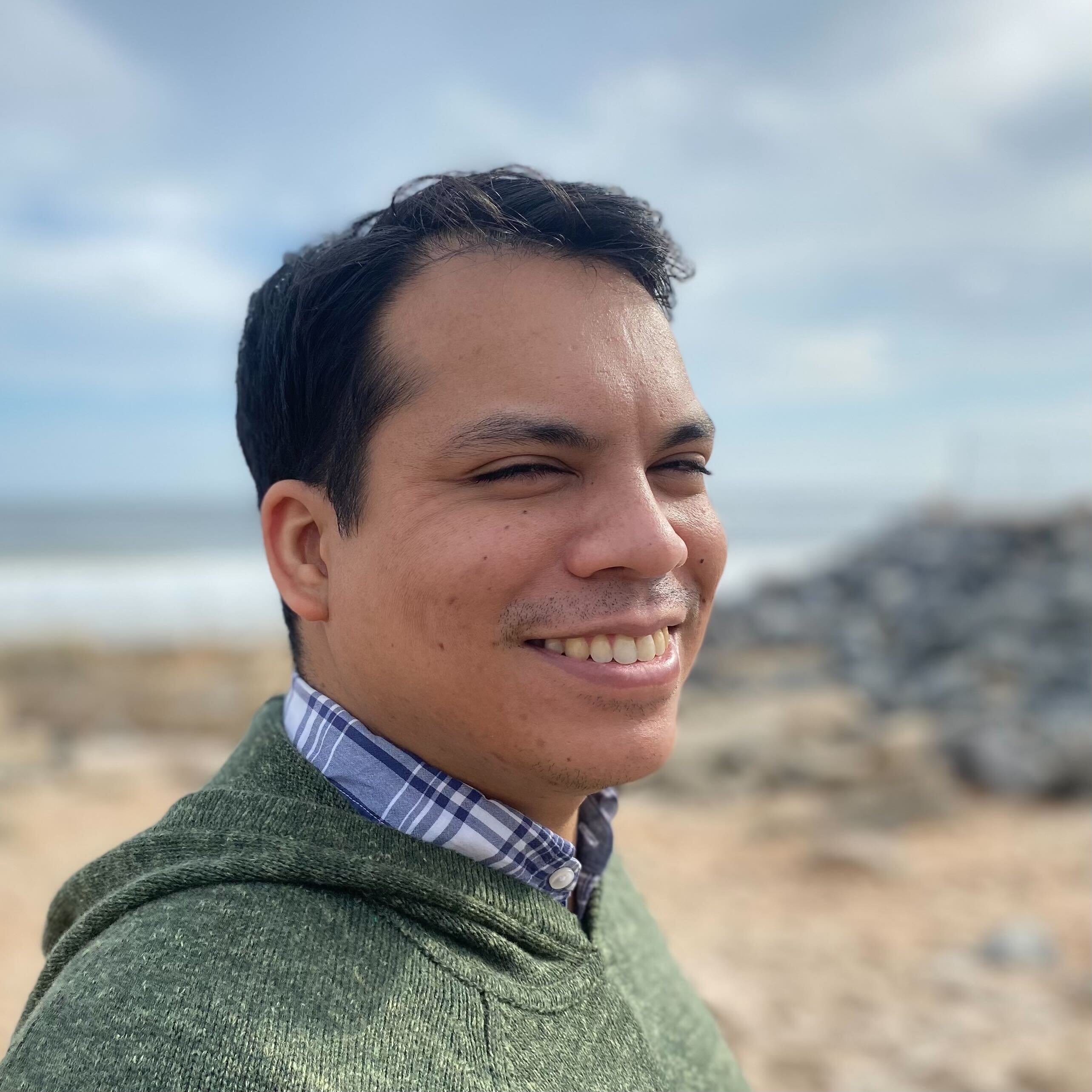
Joel Diaz-Fong
Doctoral Candidate
University of Toronto
Joel is a PhD candidate in Medical Sciences at the University of Toronto. He earned a BS in Psychology from Florida State University and a Master's in Data Science from Lewis University. Prior to joining CAMH as a practicum student, he worked as a Research Associate at University of California-Los Angeles, where he managed projects examining neural oscillatory mechanisms of attention, value-based decision-making, and brain stimulation for treatment-resistant depression. His research interests broadly span clinical cognitive neuroscience, with a particular focus on multimodal neuroimaging, neuromodulation, and the study of attentional and perceptual processes.

Kathy Zhang
Doctoral Student
University of Toronto
Kaixi Zhang is a PhD student in Medical Sciences at the University of Toronto. She graduated from Macau University of Science and Technology with a Bachelor's degree in Pharmacy in Traditional Chinese Medicine and completed her Master's in Cognitive Neuroscience at the University of Macau. Before joining CAMH, she worked as a Research Assistant for one year at the State Key Laboratory of Quality Research in Chinese Medicine in Macau. During her Master's studies, she conducted research using fMRI to investigate the mechanisms of emotion regulation deficits in subthreshold bulimia nervosa. Her research interests focus on using neuroimaging techniques to study the mechanisms underlying eating disorders and body dysmorphic disorder, with the aim of developing novel intervention methods.

Libo Wang
Research Co-op Student
University of Toronto
Libo is a third-year undergraduate student at the University of Toronto Scarborough, specializing in Neuroscience and minoring in Computer Science. She is currently completing a research co-op term with the BBP at CAMH, where she supports ongoing projects on eating disorders. Libo has broad interests within the field of neuroscience and is particularly interested in the advanced neuroimaging techniques used in the neuroscience research to better understand the neural mechanisms underlying eating disorders. She hopes to pursue a career that allows her to contribute to the advancement of knowledge in this field. Outside of research, Libo enjoys watching a great show, having some quite time in the park, and video games.
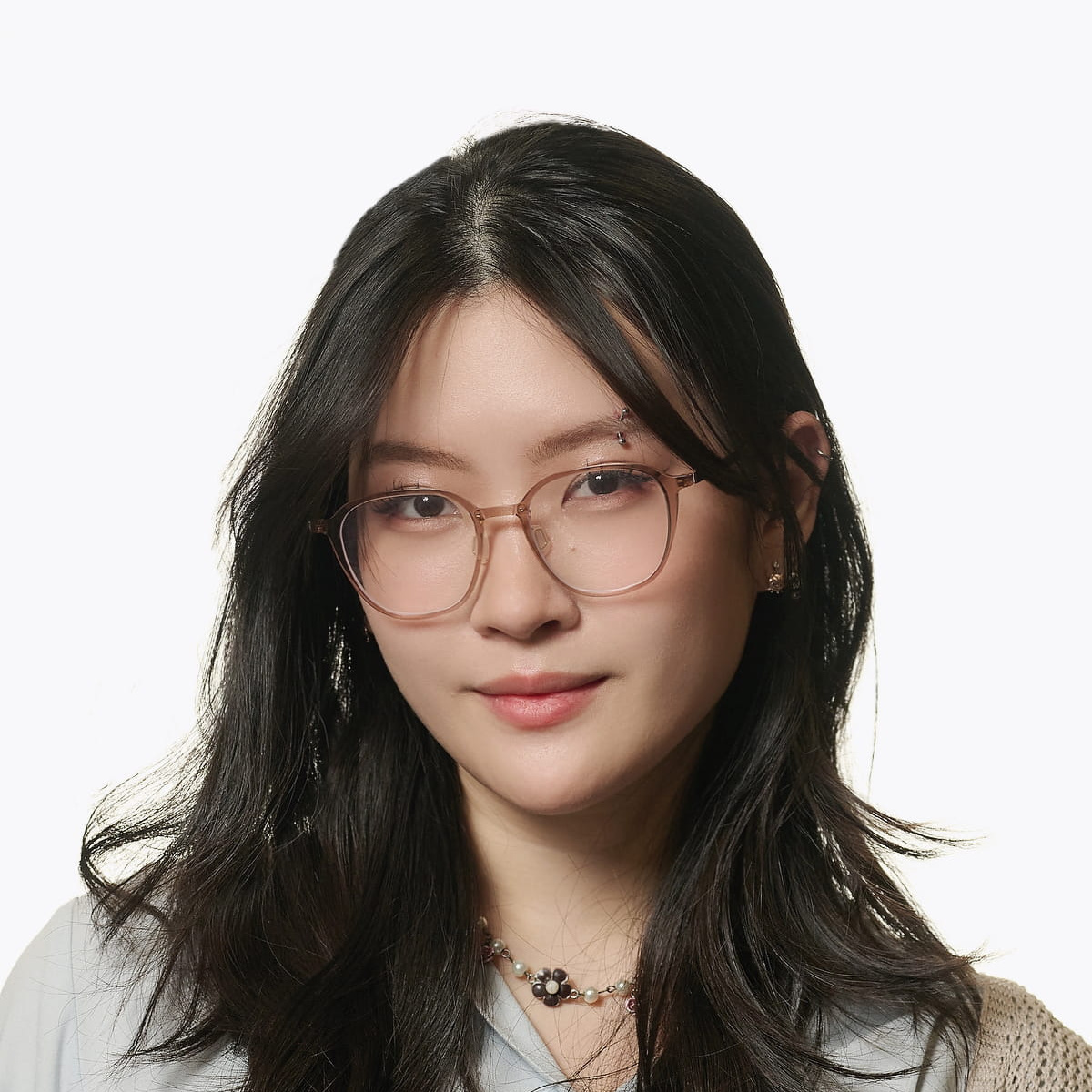
Thanida (Plan) Kamchokchai
Research Co-op Student
University of Toronto
Plan is a fourth-year undergraduate student at the University of Toronto Scarborough, completing an Honours Bachelor of Science in Psychological and Health Sciences with a Specialist in Mental Health Studies. She is interested in clinical neuroscience and clinical assessment, particularly the use of neuroimaging and other biomarkers to better understand psychiatric disorders. Her previous research has explored neuroimaging findings associated with suicidal ideation and suicide attempts, biomarkers of childhood adverse experiences in mood disorders, the use of artificial intelligence in suicide research, and clinical research on psychosis. Plan hopes to further develop her skills in neuroimaging and ultimately contribute to research that uses biological findings to better understand mental health disorders and translate this knowledge into improved patient care.
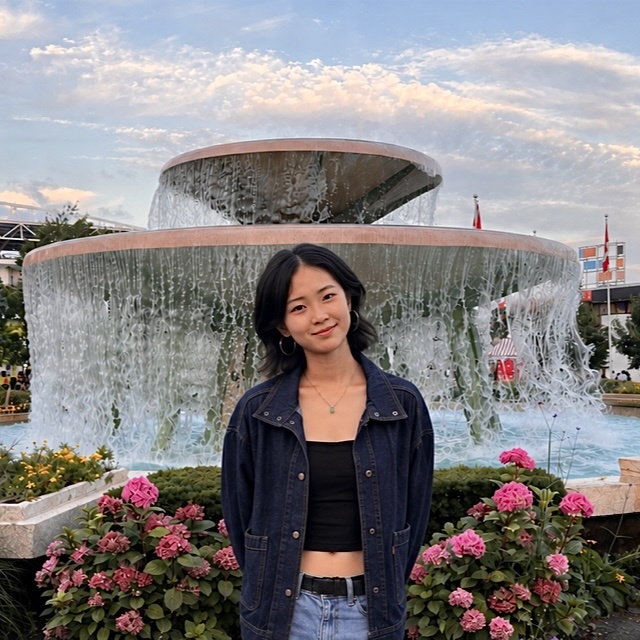
Sophina Lee
Research Co-op Student
University of Toronto
Sophina is a third-year undergraduate student at the University of Toronto, specializing in Systems/Behavioural Neuroscience. She joined the Brain, Body & Perception Lab at CAMH as a Research Co-op Student, where she supports projects focused on eating disorders. Driven by her own lived experience with eating disorder recovery, Sophina is deeply interested in learning more about the neurobiological mechanisms behind these compulsions and exploring how neuromodulation interventions can correct disordered body perceptions. Outside of research, she enjoys going on long runs, playing the piano, and spending time with her four cats.
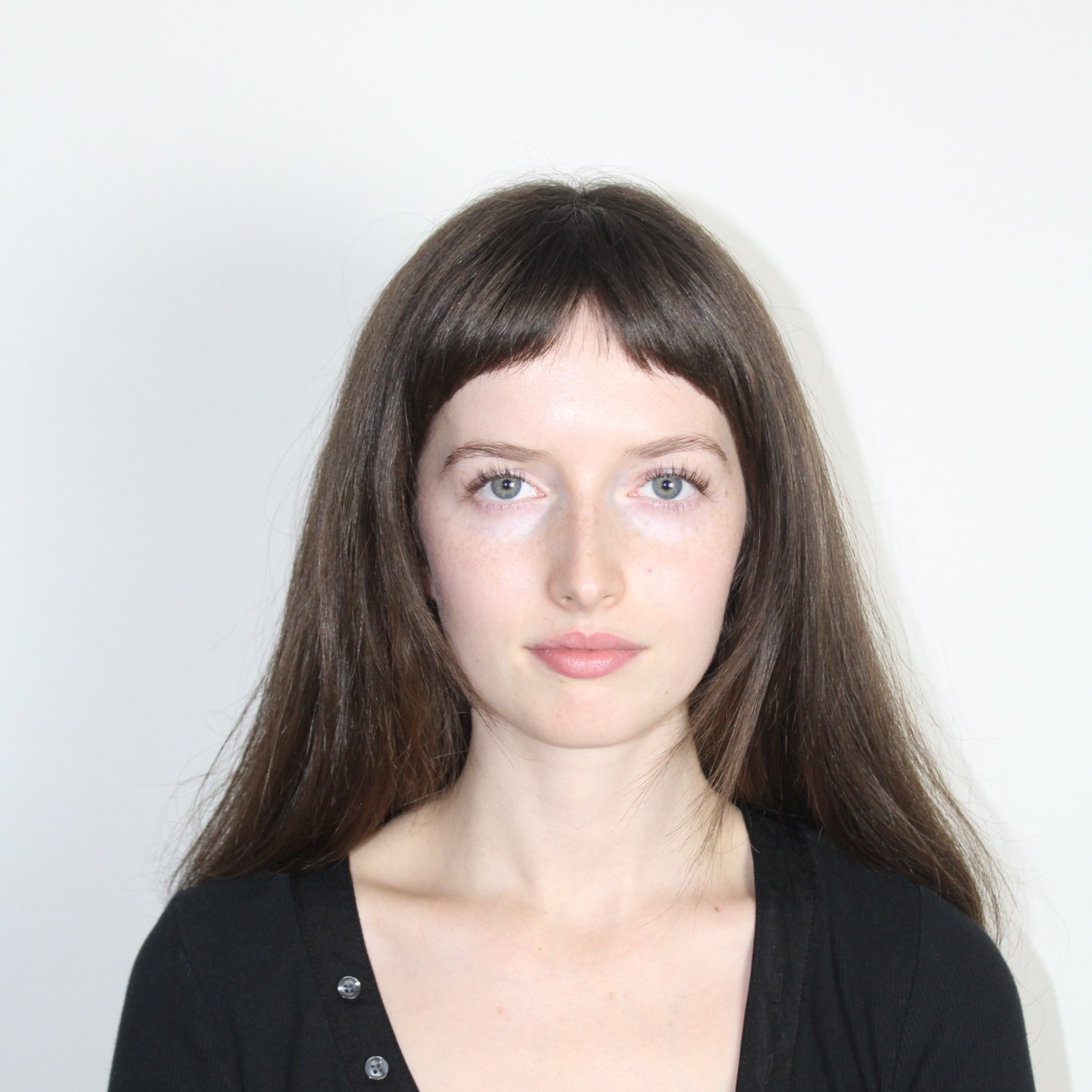
Lauren Robinson
ROP Student
University of Toronto
Lauren Robinson is a third-year student at University of Toronto, majoring in Cell and Systems Biology, with minors in Physics and History and Philosophy of Science and Technology. Her research interests include medical imaging, neurophysiology and behaviour, and mental health. Lauren joined the Brain, Body, and Perception Lab at CAMH as a Research Opportunity Program student in September 2026. In the future, she hopes to continue her studies by pursuing a Master of Science in her research interests.

Nina Tan
ROP Student
University of Toronto
Nina Tan joined the Brain, Body, and Perception Lab as an ROP student in Fall 2026. She is an undergraduate student at the University of Toronto pursuing a double major in Mathematics and Statistics. Her research interests include statistical modelling, computational methods, and their applications to behavioural and biomedical research.

DeeDee Ng
Thesis Student
University of Toronto
DeeDee Ng joined the Brain, Body, and Perception Lab as a ROP student in September 2025, and is continuing as an independent project student for the 2026-27 academic year. She is a fourth-year undergraduate student at the University of Toronto pursuing a double major in Psychology and Neuroscience, and a minor in Applied Data Science. Aspiring to become a clinical psychologist, she is interested in conducting clinical research and raising awareness on mental health disorders. With the increasing prevalence of anorexia nervosa, she is motivated to explore the underlying neuropsychological mechanisms and potential treatment approaches. In her free time, DeeDee enjoys café-hopping and going to the gym.
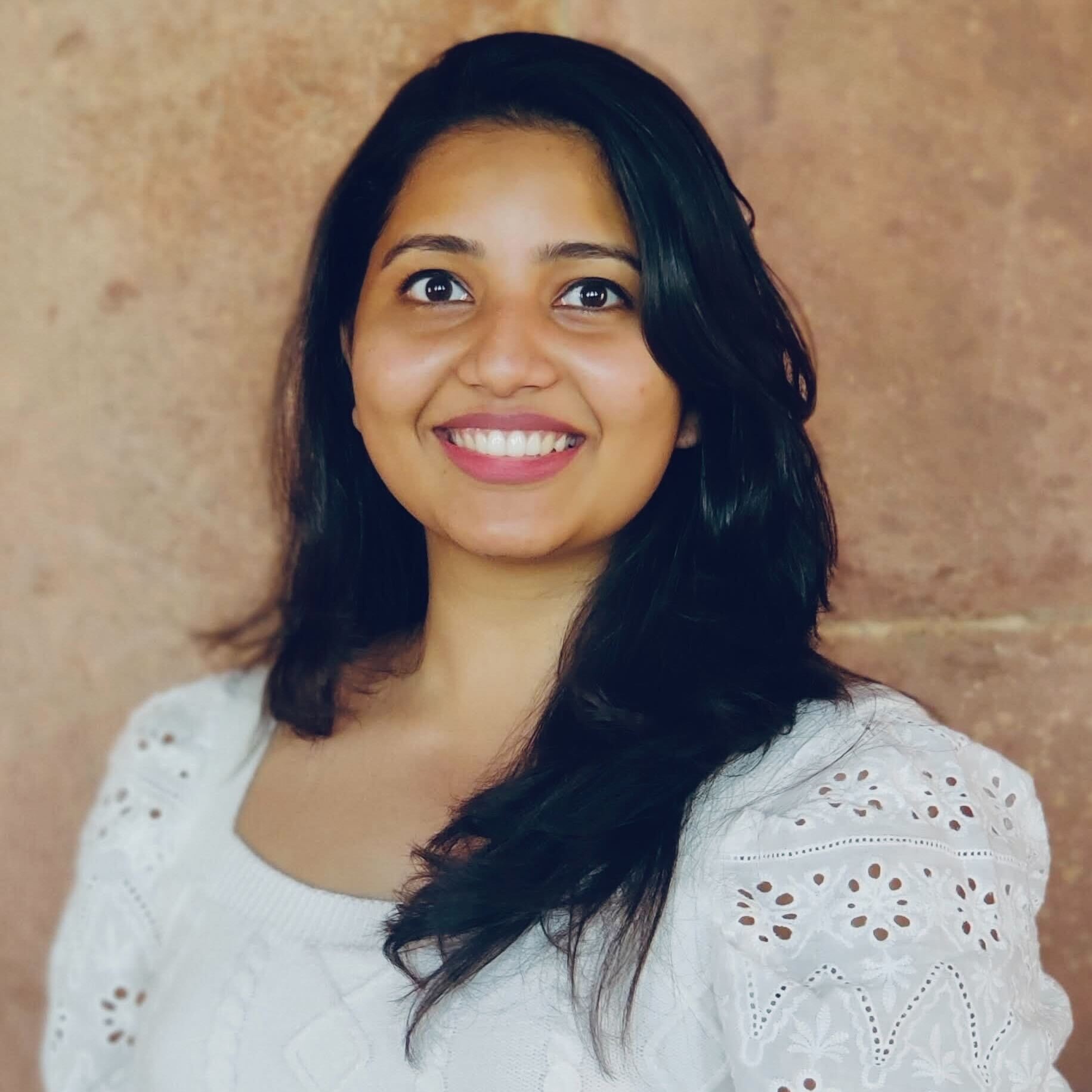
Sneha Philip
Psychomotrist
Centre for Addiction and Mental Health
Sneha Mary Philip joined the Brain Health Imaging Centre at CAMH as a psychometrist in September 2024. She is a mental health professional with over 6 years of experience in psychological assessment and therapy across hospital, academic, and community settings. Sneha holds a Master’s degree in Clinical Psychology from Christ University, India, and is currently completing the required clinical supervision hours toward registration with the College of Registered Psychotherapists of Ontario (CRPO) as a Registered Psychotherapist (Qualifying). Her clinical work spans support for both neurodivergent and neurotypical individuals, including those navigating anxiety, depression, trauma, identity-related challenges, relationships and body image concerns. At CAMH, she collaborates closely with multidisciplinary research teams, contributing her clinical insight to brain health research initiatives. Sneha’s therapeutic approach is integrative and client-centered, drawing on evidence-based modalities such as Cognitive Behavioural Therapy (CBT), Dialectical Behaviour Therapy (DBT), Narrative Therapy, Internal Family Systems (IFS), mindfulness-based approaches, and trauma-informed care. She is known for her enthusiasm, deep presence, and her ability to create meaningful connections with those she works with—anchoring her practice in empathy, collaboration, and respect for each individual’s unique journey.